Barrios
El Poblado as a place to live, not just visit
El Poblado draws more foreign residents than any other part of Medellín. Choosing where to settle within it means understanding slopes, street life and building stock rather than picking a pin on a map.
Words: Aburrá Brief editors
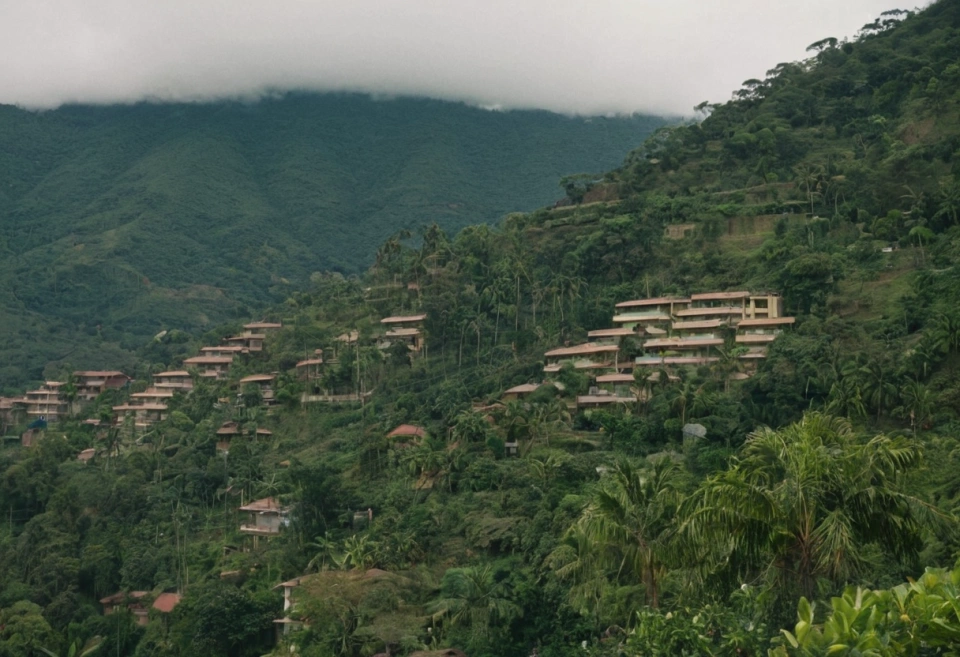
Choosing El Poblado for a long-term home rather than a short stay means weighing more than location. This guide covers the neighborhood's physical layout, the kinds of buildings you will find, what daily life sounds and feels like on different streets, and how to narrow your search to a block that fits your household.
The hillside shapes everything
El Poblado sits on the eastern slope of the Aburrá Valley. The terrain rises sharply from the river plain toward the hills, and this single fact determines almost every practical question about living here: how far you can walk, how much noise reaches your window, whether you need a car, and what kind of building stands on a given lot.
The lower edge of the neighborhood, roughly around Parque del Poblado (the small central park) and the streets radiating from it, is relatively flat. This is where restaurants, bars, coworking spaces and short-stay rentals cluster. Higher up, streets switch back across the slope, gradients increase, and land use shifts almost entirely to residential towers and gated low-rise complexes.
The distinction matters because a listing that says El Poblado could place you on a busy commercial corner or on a quiet cul-de-sac three hundred vertical meters above it. Always check the exact street and its position on the slope before arranging a viewing.
Two main housing types
The dominant form is the apartment tower, typically built with a reinforced concrete frame and filled with masonry walls. These buildings range from modest structures of a handful of floors to tall towers with lobbies, gyms, pools, rooftop terraces and round-the-clock security staff. Shared amenities are bundled into a monthly administration fee that sits on top of rent or ownership costs. Ask what that fee covers and whether it has risen recently; large amenity packages mean larger maintenance budgets.
The second type is the older low-rise building, often three to five floors without an elevator, set behind a gate or a small front garden. These tend to have fewer shared services, lower administration fees and larger individual units. They can be quieter and more affordable, but check the condition of plumbing, wiring and waterproofing carefully, especially on upper floors where roof access and drainage matter. If you are considering a top-floor unit, our guide on what to check before buying or renting a penthouse in a hillside neighborhood covers the specific risks of exposed roofs and terrace drainage in this climate.
Both types coexist on the same street. A tower with a pool deck may share a wall with a low-rise whose residents hang laundry on balconies. Neither is better in the abstract; the right choice depends on your budget, mobility and tolerance for shared spaces.
Walking, steepness and getting around
If you live on the lower flats near the park, most daily errands are reachable on foot. Pharmacies, small grocery stores, cafés and banks line the commercial streets. Sidewalks are uneven in places, and drivers do not always respect pedestrian crossings, but the distances are short.
Once you move upslope, walking becomes a workout. Steep grades, stairs cut into the hillside and roads without continuous sidewalks turn a simple trip to the store into a twenty-minute climb each way. Some residents solve this with a car or motorcycle; others rely on ride-hailing apps, which are inexpensive by North American or European standards. A few hillside complexes run their own shuttle vans to the commercial area below, but do not assume this service exists unless the building administration confirms it.
If anyone in your household has limited mobility, a stroller-dependent child or a preference for car-free living, the lower blocks are significantly more practical. Test the walk yourself: go from the building entrance to the nearest grocery store and back, carrying a bag, before you sign a lease.
Noise varies by block and time of day
The commercial streets near Parque del Poblado and along the main restaurant corridors carry traffic noise during the day and music from bars and restaurants at night, especially on weekends. If your apartment faces one of these streets, expect sound to enter through open windows well past midnight on Friday and Saturday.
Residential streets higher on the slope are generally quiet. Traffic thins, there are fewer commercial venues, and the main sounds are birds, distant motors and occasional construction. But quiet is not guaranteed: a new tower going up next door, a rooftop event space in the building itself or a neighbor with a sound system can change the picture.
Visit the block on a weekday morning, a weeknight and a weekend evening. Stand inside the unit with windows open and listen. Ask current residents about noise if you can; they will tell you things no listing mentions.
The visitor economy also plays a role. El Poblado's popularity with short-stay tourists means some residential buildings have a revolving cast of temporary occupants, which can bring suitcase wheels across tile floors at odd hours and unfamiliar faces in shared spaces. If this concerns you, ask the building administration whether short-term rentals are permitted under the building's internal rules. For broader context on how tourism growth affects residential life in the city, see our piece on what a fast-growing visitor economy means for someone choosing a home in Medellín.
Choosing a block that fits your household
El Poblado is large enough that two addresses within it can offer very different daily routines. Use the following checklist to narrow your search:
- Slope tolerance. Can everyone in the household manage steep walks daily, or do you need flat ground and short distances to shops?
- Noise threshold. Do you want to be near restaurants and nightlife, or do you need silence after nine in the evening? Be honest about this; the two options rarely overlap on the same block.
- Building age and amenities. A newer tower offers elevators, security and shared spaces but comes with higher administration fees and sometimes thinner walls. An older low-rise may give you more square meters and thicker masonry but no elevator and aging infrastructure.
- Estrato. Colombia classifies residential properties into socioeconomic strata that affect utility pricing. El Poblado spans several strata. Check the estrato of any unit you consider, because it changes your monthly bills independently of rent. Our explainer on the estrato system for newcomers describes how this works.
- Household composition. Families with children may prioritize proximity to schools and parks over nightlife access. Retirees may weight medical facilities and flat walking routes. Remote workers may care most about reliable internet and a quiet room for calls. Each priority points toward a different part of the neighborhood.
- Commute direction. If you work or study elsewhere in the city, check rush-hour travel times from the specific block. El Poblado's roads funnel into a few main arteries, and congestion at peak hours can add substantial time to a short distance.
Practical next steps
Start by identifying two or three streets on a map that match your slope tolerance and noise preference. Then visit them in person at different hours. Walk from the building to the nearest store, pharmacy and bus stop or ride-hail pickup point. Note the condition of sidewalks, the presence of street lighting and whether the route feels safe after dark.
If you are renting, ask for a copy of the building's internal regulations before signing. These rules govern noise hours, pet policies, use of shared spaces and whether short-term subletting is allowed. If you are buying, request the administration fee history and any pending special assessments for major repairs. A lawyer experienced in Colombian property transactions should review the title and the promise of sale; our step-by-step guide on how a foreigner buys an apartment in Medellín outlines the process.
Talk to people who already live on the block. Doorkeepers, shop owners and neighbors in the lobby can tell you about water pressure, power outages, construction plans and the general rhythm of the street in ways that no online listing will. El Poblado rewards careful, on-the-ground selection. The neighborhood is not one experience but many, stacked on a hillside, and the right block for your household is worth the time it takes to find.
This article offers general information only; confirm current rules with the relevant official authority or a licensed professional before acting. Editorial standards · Report a correction