Building
Renovating an apartment inside a shared building in Medellín
Most renovation friction in a Colombian apartment tower comes from the shared parts of the building, not the work itself. This briefing covers who to ask before you start, what the city may need to see, and how to run a job that ends with your neighbors still speaking to you.
Words: Aburrá Brief editors
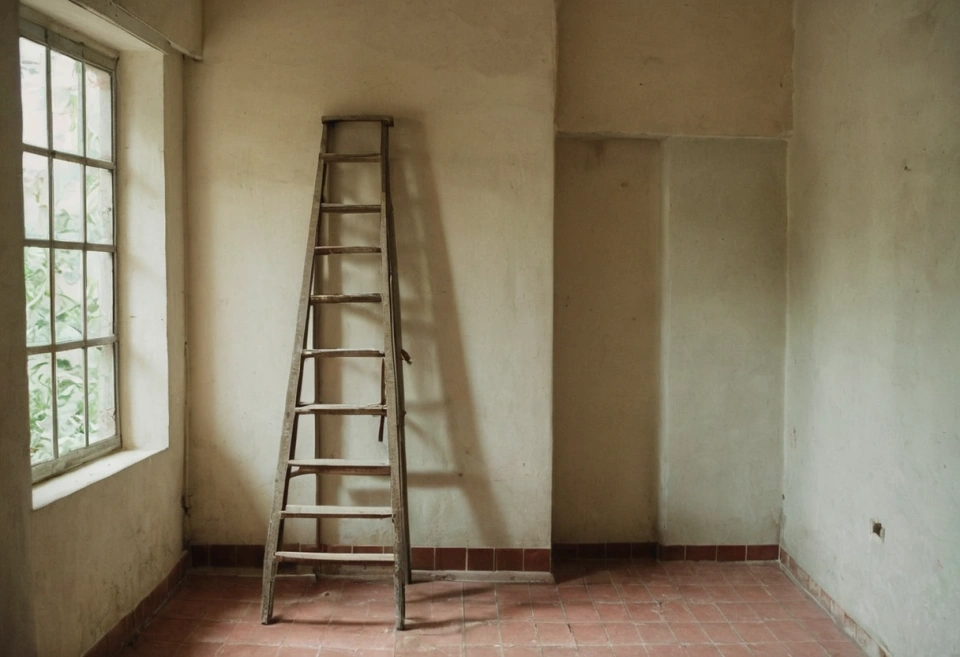
Remodeling an apartment in a building with other owners, whether owned or rented, means dealing with more than just the builder. A kitchen, bathroom, floors, built-in closets, or a full strip-out each raise questions about permissions and oversight. This article helps decide what to ask the administration before signing anything, which parts of the job belong to the city rather than the building, and how much supervision the work will need.
Two permissions, not one
Newcomers often assume that once the building says yes, the work can begin. In Colombia there are two separate gates. The first is the propiedad horizontal regime, the shared-ownership framework that governs apartment buildings, together with the building's own rulebook, the reglamento de propiedad horizontal. The second is the municipal licensing system, handled through a curaduría urbana, a licensed office that reviews and issues building permits on the city's behalf.
Cosmetic work inside your own unit usually concerns only the first gate. Work that changes structure, the outside appearance of the building, its footprint or its use can pull in the second. Which category your project falls into is a judgment for a local architect or engineer and, where relevant, the curaduría, not something to settle by asking a neighbor what they got away with. Rules also differ between municipalities: a job in Envigado or Sabaneta is not administered by the same office as one in Medellín.
Start with the administration
The administración is the building's management office, answerable to the owners' assembly and, in larger buildings, to a council of owners. Ask for the rulebook and read the sections on works, noise, common areas and moving in or out. Then send a written request describing the job: which rooms, what will be demolished, whether bathrooms or kitchens move, how long you expect it to take, and who the contractor is.
Expect to be asked for some or all of the following, depending on the building:
- A short scope of work, with drawings if walls, plumbing or electrical circuits are affected.
- The contractor's name, contact details and the names of the workers who will enter the building.
- Evidence that workers are covered for social security and occupational risk, which the administration may check before issuing passes.
- A refundable deposit against damage to elevators, corridors or lobbies, where the rulebook provides for one.
- A written commitment on hours, debris removal and protection of shared surfaces.
If you are a tenant, none of this replaces the owner's consent. Get that in writing first, and be clear about what stays with the apartment when you leave. Long leases often say something about alterations; our note on renting long-term in Medellín covers the paperwork that usually surrounds a tenancy.
What the city may want to see
Treat the license question as a filter you apply early, because it changes the timetable. Painting, changing floor finishes, replacing cabinets and swapping fixtures in the same positions are generally treated as interior finishing. Moving a wall, opening a slab, joining two units, altering the facade, enclosing a balcony or changing what the unit is used for are different matters, and may require a permit and a professional to sign the drawings.
Structure deserves particular caution here. Most apartment towers in the city are reinforced concrete frames with masonry infill, and it is not always obvious from inside a finished apartment which walls are doing structural work; our explainer on how the city's apartment buildings are usually built sets out the typical arrangement. Have an engineer identify the structural elements before anyone picks up a hammer. Columns, beams and slabs are not yours to modify, whatever the layout you would prefer.
Shared services are the other trap. Drainage stacks, water risers, gas lines, fire equipment and the shafts they run in serve more than one apartment. Rerouting them, or tying new work into them, affects neighbors and may need both the administration's approval and technical sign-off. Ask the administration for the building's plans if they exist, and confirm requirements with the curaduría or the municipal planning office rather than relying on general guidance, including this article.
Hours, lifts and rubble
The rulebook normally sets permitted hours for noisy work and restricts it on weekends and holidays. Confirm the exact windows with the administration and put them in the contract with the builder, so that a crew arriving early is the contractor's problem rather than yours.
Materials and debris travel through space that belongs to everyone. Agree in advance which elevator or stair may be used, how the elevator car and corridor walls will be protected, where bags of rubble may sit and for how long, and how waste leaves the site. Construction debris is not ordinary household trash and should not go into the building's bins; arrange collection and keep the receipts, since the administration may ask for them.
Dust and water generate complaints fastest. Seal the apartment door during demolition, keep the corridor swept, and never wash tools or mortar into a shared drain. If a shut-off valve has to be closed to connect new plumbing, give the administration notice so residents know their water will be off, and keep the outage as short as the work allows.
Hiring and supervising the contractor
Colombia has both formal firms and informal crews. A crew found through a friend may do good tile work and still leave you exposed on scheduling, warranties and liability. Decide deliberately which you are hiring, and price the difference in supervision time.
Before signing, ask for two or three recent jobs of similar size in occupied buildings, and speak to those owners about noise, tidiness and whether the finish date held. Check that the person quoting is the person who will be on site. Then write a contract that covers:
- A detailed scope, listing materials, brands or equivalents, and what is excluded.
- A schedule with stages, and payment tied to completed stages rather than to dates or to requests for advances.
- Responsibility for permits, worker coverage, debris removal and damage to common areas.
- How changes will be priced and approved, in writing, before the extra work is done.
- A defects period after handover, and what happens if something leaks or cracks in the first months.
Supervision is not optional, especially if you are abroad part of the year. Visit at the end of each stage. Photograph plumbing and wiring before they are buried, and keep the images with the drawings. Water testing of a remodeled bathroom before tiling costs little and prevents the most expensive kind of dispute, the one that involves the apartment below. For anything touching structure, gas or the building's electrical supply, use a qualified professional and ask for their sign-off in writing.
Keeping neighbours on side
In a tower, your renovation is everyone's noise. A short note to the apartments beside, above and below yours, delivered before work starts, does more than any apology afterwards. Say what you are doing, roughly how long it will take, the hours the crew will keep, and give a number they can reach you on. Tell the concierge desk the same thing, since that is where complaints land first.
Then behave in a way that makes the note credible. Keep to the agreed hours even when a task is nearly finished. Do not let workers park across driveways or leave materials in the lobby overnight. Answer messages the same day. If something breaks in a neighbor's unit, deal with it immediately and directly rather than routing it through the administration.
Next steps before you commit
Request the rulebook and any building plans from the administration this week, and read the works clauses with your contractor beside you. Take the scope to an architect or engineer for a view on structure, shared services and whether a municipal permit applies, and confirm that view with the curaduría serving your municipality. Only then ask for firm quotes, on the same written scope, so the prices mean the same thing.
Book the elevator and agree the debris plan before the first delivery. Set up a folder for the contract, permits, worker coverage, payment receipts and photographs of concealed work; you will want it when you sell, and sooner if a pipe fails. If you are still choosing between units, factor the building's rules and its appetite for works into the decision, alongside the questions in our guide to buying an apartment in Medellín.
This article offers general information only; confirm current rules with the relevant official authority or a licensed professional before acting. Editorial standards · Report a correction