Property
Renting long-term in Medellín before you buy
A first lease is a cheap way to test a neighborhood, a building and a commute before committing to a purchase. Here is what to settle before you sign.
Words: Aburrá Brief editors
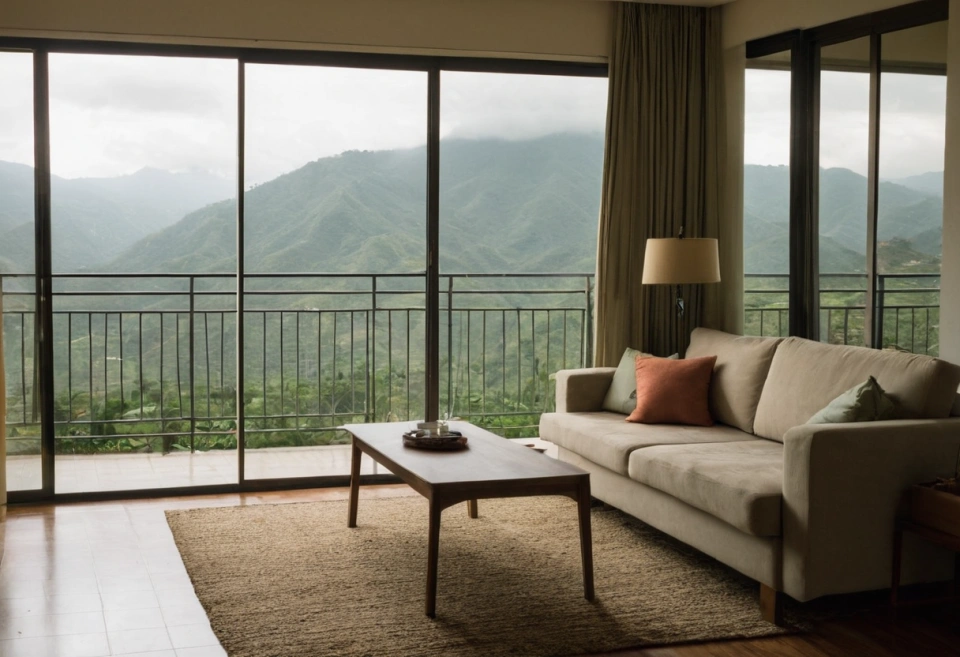
Spending a year or more in Medellín and renting before buying means choices that compound: furnished versus empty, the guarantor requirement, and how to return the apartment without a dispute. This article helps decide each of those terms before signing a long lease.
Why rent first
A lease lets you test things a listing cannot tell you. Noise on a Friday night, how long the walk to the metro actually takes in rain, whether the afternoon sun makes the bedroom unusable, whether the building's water tank runs dry. Buying commits you to a street and a homeowners association for years. Renting commits you for a term you can usually renegotiate.
It also buys time for paperwork. Many buyers arrive on a visitor permit and later apply for a resident route; the broad visa families and their conditions are worth understanding early, and our note on choosing a visa route when moving to Colombia sets them out. Your immigration status can affect what a landlord or insurer will accept, so raise it at the first viewing rather than at signing.
Furnished or unfurnished
In Medellín, amoblado means furnished and usually includes kitchen appliances, a washing machine, beds and often linens and dishes. Unfurnished can mean genuinely bare: no refrigerator, no stove, sometimes no light fixtures or curtain rails. Ask for a written list of what stays. The gap between the two categories is wider here than in many markets.
- Furnished suits a first year, a trial neighborhood, or anyone who does not want to buy and later resell a household. Expect a higher monthly figure and closer scrutiny of wear at the end.
- Unfurnished suits a stay of several years and people who already own furniture or want to choose it. Budget for appliances, installation and delivery access, which in older buildings can mean stairs.
- Partly furnished is common and negotiable. A landlord may remove a bed or keep the appliances. Get the final list attached to the contract.
Medellín's climate is mild and humid rather than hot or cold, so heating and air conditioning are rarely the issue. Cross ventilation, ceiling fans and fabrics that dry matter more, as covered in our guide to furnishing for a mild mountain climate. Check that wardrobes are not against a damp exterior wall and that the balcony door seals in a downpour.
The guarantor or rental insurance requirement
This part surprises newcomers. Colombian landlords commonly ask for a codeudor, a co-signer, typically someone who owns property in the same city and can prove it with a certificate from the registry. A foreign tenant without local family usually cannot supply one.
The usual alternatives are a rental insurance policy arranged through an agency, a larger deposit, several months paid in advance, or a corporate guarantee if your employer has a Colombian entity. Agencies that handle insurance will assess your income documents, passport, visa and sometimes bank statements. Requirements vary by agency and change over time, so confirm current conditions with the agency and, for anything contractual, with a Colombian lawyer. Do not assume a rule you read online still applies.
Two practical points. First, ask at first contact which route the owner accepts, because some individual owners simply will not deal with insurance and the search narrows quickly. Second, an agency's fee and an insurer's premium are separate costs from the rent; ask for the full monthly and one-off figures in writing before you commit.
Inventory, condition and the deposit
Handover should produce a written inventory: room by room, item by item, with the condition of each noted and photographs attached. Both parties sign it and each keeps a copy. If the landlord supplies nothing, write your own and send it the same day so there is a dated record.
- Photograph every room from two corners, then close-ups of existing marks: chips in tile, stained grout, cracked glass, swollen cabinet bases under the sink.
- Run every tap, flush every toilet, open and close every window and door, test every lock and every appliance while the landlord is present.
- Photograph the water, gas and electricity meters and write the readings into the document.
- Count keys, remotes, access cards and parking fobs, and note which are missing.
- Note anything promised: a repair, a repaint, a replacement mattress. Add a date.
On deposits, practice varies. Some owners ask for a cash deposit held against damage, others rely on the insurance policy instead, and some ask for the last month up front. Colombian law treats residential deposits and rent increases in specific ways, and the rules are not intuitive; have a lawyer or a licensed agency explain what applies to your contract rather than relying on a friend's experience. Whatever the arrangement, insist the contract states the amount, what it covers, and the deadline and method for returning it.
Utilities, administration and what the rent actually includes
Ask for a single sentence in the contract listing what the monthly payment covers. In apartment buildings the administración, the homeowners association fee, may be inside the rent or billed separately. It pays for porters, elevators, cleaning, gardens and shared water. Confirm who pays extraordinary levies for building works, which can be substantial and are normally the owner's cost.
Utilities are billed by estrato, the socio-economic stratum assigned to the property, which affects tariffs for water, sewerage and electricity. Our explainer on the estrato system shows where the number appears on a bill. Two apartments of identical size can carry different running costs for this reason.
Check whether accounts stay in the owner's name or transfer to yours, and whether any balance is outstanding at handover. Ask which services are metered individually and which are shared. Confirm internet availability at the address before signing if you work remotely; fiber coverage differs street by street, and a building may have an exclusive arrangement with one provider.
Leaving on good terms
Notice periods and penalties for early exit are set in the contract, and residential tenancy law imposes its own conditions. Read that clause before you sign, not when a job moves you. Give notice in writing, keep proof of delivery, and propose a handover date with the landlord or agent present.
Repeat the inventory in the same order, with the same photographs for comparison. Return the apartment clean, remove your belongings entirely, hand back every key and fob, and take final meter readings. Settle utility bills and get written confirmation that the account is closed or transferred. Ask for a signed handover document stating the condition and any agreed deductions, and agree the return date for the deposit in that document.
Normal wear is not damage. A scuffed wall after two years is different from a broken door. Reasonable, documented conversations resolve most disputes; a landlord who sees a careful tenant leaves references that help with the next lease or with a purchase.
What to do this week
- Pick two candidate neighborhoods and visit each on a weekday morning and a weekend evening.
- Ask three agencies what guarantee they accept from a foreign tenant without a local co-signer, and what documents they need.
- Collect your income proof, passport, visa and bank records into one folder, translated where required.
- Read a sample contract with a Colombian lawyer before paying anything, focusing on term, notice, increases, deposit return and who pays administration and levies.
- Start a viewing log with photos, meter readings, noise notes and the exact monthly total for each unit.
When you are ready to buy, our step-by-step guide to how a foreigner buys an apartment in Medellín picks up where the lease ends.
This article offers general information only; confirm current rules with the relevant official authority or a licensed professional before acting. Editorial standards · Report a correction