Barrios
Living south of Medellín in Envigado and Sabaneta
Two municipalities at the southern end of the valley, with their own town centers, paperwork and a slower daily rhythm. What to weigh before you sign anything there.
Words: Aburrá Brief editors
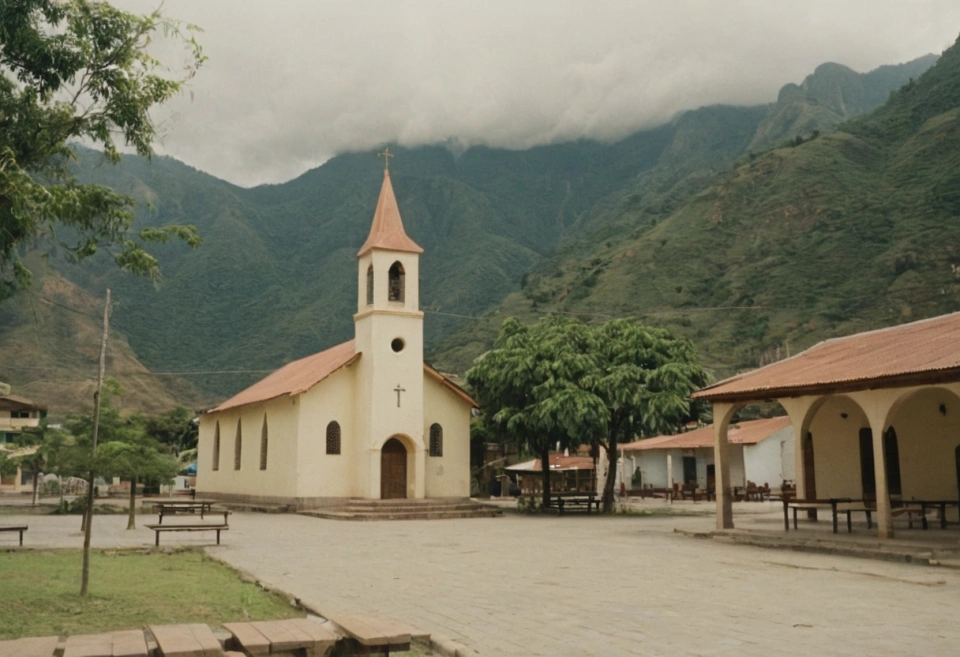
The usual foreigner districts in Medellín feel too loud, and the quieter, more Colombian options sit farther south. Envigado and Sabaneta occupy the southern end of the Aburrá valley, contiguous with Medellín but governed separately. Whether planning a long retirement stay, juggling remote work with school runs, raising a family, or visiting a second home a few times a year, this article helps decide which municipality fits your week, what kind of building you would live in, and what to verify before paying a deposit.
Two municipalities, not two neighborhoods
Envigado and Sabaneta are municipios, towns with their own mayors, councils and tax offices inside the wider metropolitan area. Envigado borders Medellín directly to the south; Sabaneta lies beyond it. Both keep an older town center with a parish church, a main square, a market hall and municipal buildings around it, and both have grown outward and upward into apartment districts and hillside subdivisions.
The distinction matters more than the map suggests. Property tax is assessed and billed by each municipality, so rates, payment calendars and any discounts differ from Medellín's. Construction permits, business licenses and some local procedures go through the municipal planning office rather than the city's. If you buy, your notary and lawyer will work with whichever jurisdiction the property sits in, worth confirming early rather than assuming everything follows Medellín practice. Our guide to how a foreigner buys an apartment in Medellín covers the sequence of steps; the municipal layer is one detail to raise with your lawyer at the start.
Daily life reads as local rather than international. Shops sell to residents, menus are written for residents, and English is less common than in the parts of El Poblado built around visitors. Some readers want exactly that. Others find it isolating in the first months. Be honest about which you are, and how much Spanish you intend to learn.
What the housing stock looks like
Near the old centers you find older low-rise buildings, houses converted into small blocks, and apartments above shops on busy commercial streets. These tend to be walkable, noisy at street level, and short on amenities such as elevators, covered parking or a porter. Ceilings can be generous; sound insulation between units often is not.
Away from the cores, most newer supply is towers in gated complexes, typically with a porter's desk, a communal room, a small gym, a playground and landscaped grounds. Some clusters are large enough to function as private villages, with internal roads and their own rules about visitors, pets, deliveries and short-term rentals. Monthly administration fees pay for all of that, and they vary widely between buildings of similar appearance. Ask for the current fee in writing and the last set of accounts.
On the slopes above both towns, detached houses and small condominiums of houses appear, with gardens, views over the valley and a dependence on cars. Farther out still, the hills hold older rural properties and weekend houses. Those can be attractive and complicated: access roads, water supply, septic arrangements and title history all need checking with professionals rather than taken on the seller's word.
Whatever the type, look at how the building was put together and how it has been maintained. Concrete frames, brick infill and thin party walls are common across the valley, and the practical consequences for noise and hanging heavy things are set out in our piece on how the city's apartment buildings are usually built.
Getting around by metro, bus and foot
The metro line runs north to south along the valley floor and continues into Envigado and Sabaneta, with stations spaced along that corridor. From a station you either walk, take a feeder bus, or take a taxi for the last stretch. Addresses described as near the metro can mean a flat ten-minute walk or a steep climb of the same duration, and those are different lives.
Buses do most of the local work. Routes run up the main avenues and into the hillside barrios (neighborhoods), often terminating well below the top of the slope. Fares are paid with the regional transit card or in cash depending on the operator, and services thin out late at night. Cable car lines serve specific hillside sectors of Medellín; do not assume one reaches the address you are considering.
Traffic on the main north-south avenue is the constraint everyone mentions. A trip that looks short on a map can take much longer at school-run and evening peaks, particularly if it involves crossing the municipal boundary. Test your real journeys at the hours you would actually make them, in both directions, before you commit.
Walking works for errands near either town center and gets difficult once the ground tilts. Sidewalks are uneven, crossings are informal in places, and a route that works in daylight with a shopping bag may not work at night or with a stroller. Walk it yourself.
The hills change the daily arithmetic
Both municipalities rise quickly from the valley floor toward the eastern and western ridges. Height brings cooler air, longer views and quieter streets. It also brings gradients, retaining walls, switchback access roads and, in the wet seasons, runoff that finds its way into garages and lower floors.
Three things follow. First, orientation matters: a west-facing unit takes strong afternoon sun, while a unit facing into the slope may get little direct light at all. Second, water behaves differently uphill and downhill, so ask about pressure on upper floors, pumps, tanks and any history of leaks or damp. Third, the last part of the journey home is the part you will feel every day, especially carrying groceries or coming back late.
If a top-floor unit or a house with a terrace appeals to you, treat the roof and drainage as inspection items rather than decoration. Rain cover, waterproofing and where water goes in a storm are worth more than the view.
Questions to ask before choosing
- Which municipality and which stratum? Get the address, the estrato (the socio-economic stratum used to set utility tariffs) and a recent utility bill. Stratum affects what you pay for water, power and gas, not the quality of the street.
- What does the building cost to run? Current administration fee, what it covers, arrears among owners, the reserve fund, and any approved or planned special levy for elevators, facade or roof work.
- Who manages it? Administrator, council of owners, minutes of the last assembly, and the rules on rentals, pets, noise and renovations.
- How does the unit perform? Visit at different hours. Listen for road noise, neighbors and the commercial street below. Check light, cross ventilation, water pressure and mobile signal inside the rooms.
- What is the real commute? Door-to-door timing to work, school, clinic and supermarket at peak hours, including the walk to the station or bus stop.
- Is the paperwork clean? Title history, outstanding taxes and administration debts, and whether the layout matches what was permitted. Use a lawyer independent of the seller.
- Can you rent it out later? Building rules and municipal requirements on short stays may be stricter than the listing implies.
Practical next steps
Rent first, in the specific sector you are considering, for a term long enough to include a wet season and a school term. Short-term furnished rentals tell you about a building's noise and management; a longer lease tells you about your week. Our notes on renting long-term before buying explain guarantors, insurance alternatives and what landlords usually ask for.
Then build a shortlist of no more than three sectors and revisit each on a weekday morning, a weekday evening and a Sunday. Time the journeys. Talk to the porter and a neighbor if you can. Photograph the notice board, which often carries the building's real concerns.
In parallel, settle your immigration position with a qualified adviser, since visa category and timing shape what you can sign and register. Confirm the municipal tax position with the local tax office or your lawyer, and get any promise of sale reviewed before money moves. If a unit needs work, read the building's renovation procedure before you plan it, not after.
This article offers general information only; confirm current rules with the relevant official authority or a licensed professional before acting. Editorial standards · Report a correction