Property
Choosing a home in Medellín when visitors fill the streets
A growing visitor economy changes what an ordinary residential street feels like at ten at night. Here is what to check in the building rules, on the block and in your budget before you commit.
Words: Aburrá Brief editors
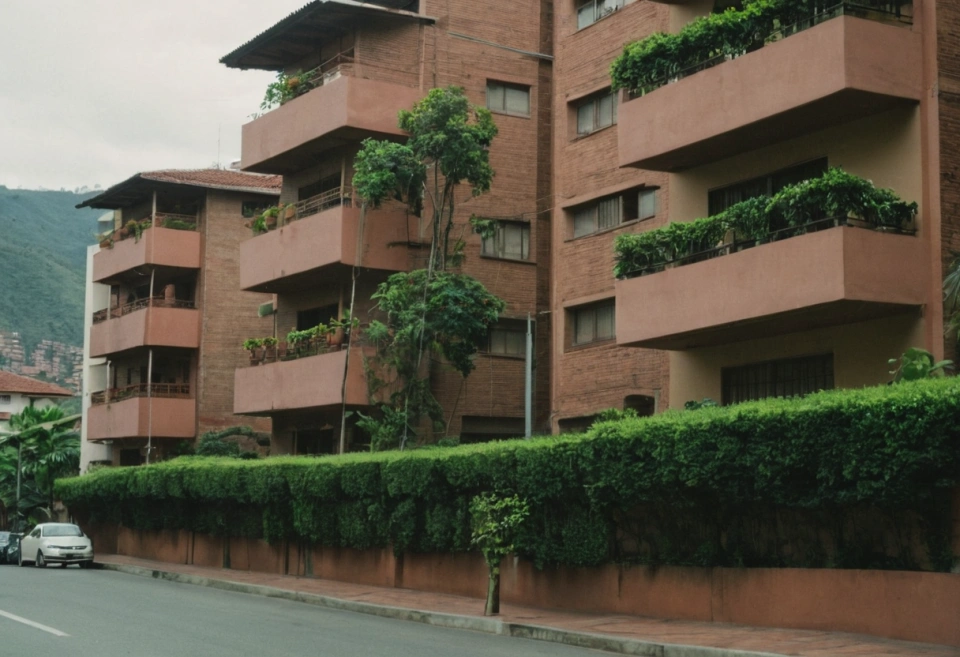
Arriving from abroad to live in Medellín rather than pass through it, whether as a retiree, remote worker, family or second-home owner, means choosing housing in a city with a busy visitor economy that reaches into ordinary residential buildings. This briefing explains how that happens and what to check before signing a lease or a promise of sale.
What a visitor economy does to a residential street
Colombia has been drawing more foreign visitors, and Medellín takes a large share of them. Most stay in apartments rather than hotels. That single fact reshapes a building faster than any construction project: a floor that once held four long-term households now holds four units with strangers arriving on rolling schedules, luggage in the elevator and a lockbox on the door.
The consequences are practical, not dramatic. Elevators get busier. Common corridors carry more traffic at odd hours. Porters spend their shifts checking people in instead of watching the entrance. Trash rooms fill faster. Some owners stop attending assembly meetings because they live elsewhere, which changes how decisions get made about repairs and security.
None of this makes a building unlivable. It means the address alone tells you less than it used to. Two towers on the same street can run on completely different rhythms, and the difference lives in the rules and the residents, not the facade. Our notes on El Poblado as a place to live rather than visit describe how sharply the lower commercial streets differ from the quieter hillside blocks above them.
Short lets inside apartment buildings
Colombian apartment buildings under shared ownership are governed by internal rules, the reglamento de propiedad horizontal, adopted by the owners' assembly and administered by an administrador. Those rules can restrict or condition short stays. Buildings that allow them often require registration of guests, limits on the number of occupants, and use of a specific entrance. Others prohibit stays shorter than a set period outright.
Separately, anyone offering accommodation commercially has obligations around registration and tax that sit outside the building's own rules. A unit listed online is not proof that either layer has been satisfied. If you plan to rent out your apartment while you travel, treat both as questions to settle before purchase, with a local lawyer and the administrator, not after.
For a resident who never lists anything, the relevant question is simpler: how many neighbors do list, and does the building enforce its own rules? Ask for the assembly minutes covering recent years. They record complaints, votes on short-stay policy, fines and unresolved disputes. Minutes are dull reading and the most informative document you will get.
- Request the current internal rules in writing, plus any recent amendments.
- Read assembly minutes for repeated noise, security or short-stay complaints.
- Ask whether guest registration is required and who enforces it overnight.
- Ask how many units are rented by the night, and whether the administrator tracks that.
- Check whether the porter's post is staffed around the clock or only during the day.
- Look at the entrance yourself: lockboxes, key safes and a queue of arrivals tell their own story.
Noise, night life and the shape of a block
Medellín's nightlife concentrates on a handful of streets and spreads outward from them. Sound behaves unevenly in a valley city built on slopes: a bar two blocks downhill can be audible on a balcony above it, while a unit facing an interior courtyard on the same block hears almost nothing. Concrete frames and thin partition walls carry impact noise well, so footsteps and dragged furniture upstairs matter as much as music outside.
Visit at the hours you actually intend to sleep. A weekday viewing at eleven in the morning tells you about light and layout. Thursday, Friday and Saturday nights tell you about the street. Stand on the balcony with the windows open, then closed, and note the difference. Ask what sits behind the ground-floor commercial units, since a shuttered storefront by day can be a bar by night.
Weekends and holidays shift the pattern again, and match days at the stadium change traffic and noise across whole neighborhoods. The flat, walkable grid described in our piece on Laureles and Estadio is pleasant to live in, but proximity to the stadium and to busy avenues deserves the same nighttime check as any bar district.
Daily prices near tourist streets
Commerce aimed at visitors prices differently from commerce aimed at residents. On and around the busiest streets you find menus in two languages, cafés charging for atmosphere, and small shops selling convenience at a premium. A few blocks away, the same goods cost noticeably less: the neighborhood bakery, the fruit stall, the hardware shop, the laundry that charges by weight.
The practical move is to map your routine, not your outings. Find the supermarket you would actually walk to, the pharmacy, the produce market and a repair shop, and price a normal week there. Rents follow a similar gradient, though less neatly, because landlords near visitor streets often price against nightly income rather than monthly local wages.
Utility bills add a separate wrinkle. Colombia's estrato system classifies dwellings by socio-economic stratum, and that classification affects what you pay for water, power and gas. Two apartments of similar size in different buildings can carry different fixed costs. Ask to see recent bills for the actual unit, not an estimate.
Reading a street before you sign
Walk the block twice, once in daylight and once late. Count the ground-floor uses: bars, tattoo studios and vape shops signal one economy; bakeries, stationers and dry cleaners signal another. Watch who carries keys and who carries suitcases. Note where taxis idle, where delivery motorbikes cluster, and whether the street is a through route or a dead end.
Then talk to people who have no stake in your decision. The porter at a neighboring building, a shopkeeper who has been there for years, a dog walker at the same hour each evening. Ask what changed on the street recently and what they expect next. Construction hoardings, empty commercial units and freshly painted lobbies all hint at what comes next.
If you are buying rather than renting, fold these observations into the paperwork. Our step-by-step guide to how a foreigner buys an apartment in Medellín covers the sequence from viewing to completion; the street-level findings belong in your due diligence alongside the title search and the building's financial health.
Next steps
- Shortlist two or three neighborhoods, then narrow to specific blocks rather than whole districts.
- Visit each candidate building at night and on a weekend before making an offer.
- Request the internal rules, recent assembly minutes and utility bills for the exact unit.
- Confirm short-stay policy in writing with the administrator, and take legal advice on your own rental plans.
- Rent for a season if you can, so the street proves itself across holidays and match days.
- Write agreed conditions about noise, guest access or permitted use into the lease or the promise of sale, with a lawyer reviewing the wording.
Rules on registration, taxation and permitted use change and are applied unevenly. Check current requirements with the city government of Medellín and a Colombian lawyer before relying on any general description, including this one.
This article offers general information only; confirm current rules with the relevant official authority or a licensed professional before acting. Editorial standards · Report a correction