Barrios
Laureles and Estadio as places to live in Medellín
Two adjoining neighborhoods on the west side of the valley offer level streets, small shops within walking distance and a mix of older houses and low-rise apartment buildings. Here is what to check before you commit.
Words: Aburrá Brief editors
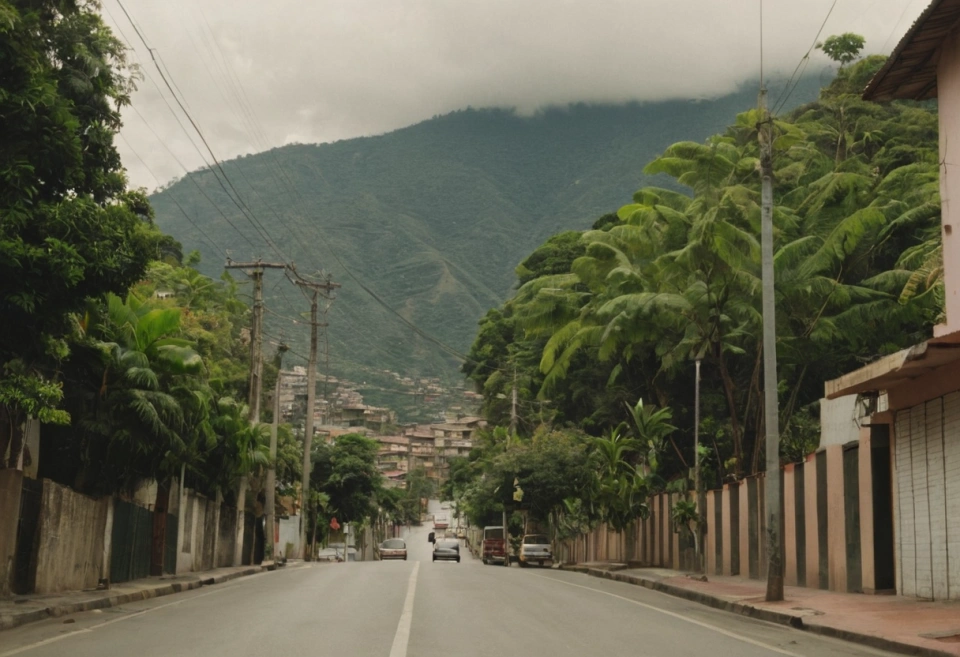
Deciding whether to rent or buy in Laureles or Estadio rather than the hillside districts to the east or south means weighing street layout, housing stock, everyday shopping patterns and the kinds of households that find the area comfortable. This briefing helps build a shortlist of streets to walk before signing a lease or making an offer.
The circular street plan and what it means day to day
Laureles was laid out with curved avenues that loop around a central axis, rather than on a strict grid. The best known are the circulares, ring roads that carry traffic around the neighborhood while quieter residential streets branch off them. Estadio, immediately north, is organized around the stadium and its surrounding sports facilities, with a more conventional street pattern feeding into the same arterial roads.
In practice, most errands sit within a short walk on level ground. The valley floor here is flat, which matters if you are arriving from a city where you drove everywhere, or if you plan to age in place. A bakery, a pharmacy, a small supermarket and a fruit stand are usually a few blocks apart. The trade-off is that the circular avenues themselves carry steady traffic, and a building facing one will hear it. Before you commit to an address, stand outside at rush hour and again in the evening. The difference between a street inside the loop and one on the ring can be substantial.
Orientation is easier than in the hillside barrios, where streets switchback and addresses can be confusing. Here you learn the loops quickly. Still, the numbering system in Medellín takes some getting used to, and a taxi driver may need the nearest landmark rather than the street number alone.
Houses, walk-ups and newer towers
The housing stock is mixed. Older single-family houses, often one or two stories with a front patio or a small garden, line many of the interior streets. Some have been converted into offices or small guesthouses; others remain family homes. Alongside them sit low-rise apartment buildings, typically three to six floors, many without elevators. Newer mid-rise and high-rise towers have appeared on the main avenues and near commercial corners, offering amenities such as a lobby desk, a gym and covered parking.
Each type raises different questions. A house gives you outdoor space and fewer shared walls, but you handle all maintenance yourself and security depends on the street. A walk-up costs less to run than a tower with amenities, yet carrying groceries up several flights is a daily reality. A newer tower offers convenience and a doorman, but monthly administration fees cover shared services and can rise. If you are comparing costs across neighborhoods, remember that utilities in Colombia are billed by the property's assigned socio-economic stratum, so two similar apartments can have different monthly bills; our guide to the estrato system explained for newcomers sets out how that works.
Construction quality varies by era. Older buildings may have solid masonry walls but aging plumbing and wiring. Newer ones use reinforced concrete frames with brick infill, which behaves differently in terms of sound transmission and renovation limits. If you plan to change layouts or combine units, check the building's shared ownership rules first, because structural walls and facade elements are usually off limits.
Shops, parks and the weekly routine
Daily life here runs on small commerce. Corner shops, known locally as tiendas, sell basics and often extend informal credit to regulars. Larger supermarkets sit on the main roads. Specialty items, imported goods or bulk shopping may require a trip to another part of the city, so factor that into your routine if you cook specific cuisines or need particular products.
Parks and green space are woven through both neighborhoods. Laureles has several small plazas and tree-lined stretches along the circular avenues. Estadio's defining feature is the sports complex, which includes public pools, courts and open grounds used by runners and families. These are working facilities, not ornamental gardens, and they shape the rhythm of weekends. If you swim, play tennis or walk a dog, the proximity is a genuine advantage. If you want silence on Saturday morning, pick a street set back from the complex.
Cafes and restaurants cluster along certain corridors, particularly near the universities and on the avenues connecting to El Poblado. The scene is active but uneven; some blocks are purely residential and quiet after dark. Walk the specific block you are considering at night. A restaurant two doors down changes the character of a street more than a map suggests.
Who tends to settle here well
The area suits households that want a walkable, residential base without the steep climbs of the eastern hills. Retirees who plan to walk daily and keep a car only for longer trips often find the flat terrain and nearby services convenient. Remote workers who need reliable internet and a cafe within reach appreciate the density of options. Families with children value the parks and the presence of other families on the street. Second-home owners who visit for weeks at a time like being able to arrive and function without a car.
It suits less well those who want a gated compound, complete silence, or immediate access to international schools located elsewhere in the valley. Commutes across the city depend on traffic and the metro lines, which run along the river rather than through the heart of Laureles. If your work or school run points east or south every day, test the route at the hour you would actually travel.
If you are still weighing visa options while scouting neighborhoods, our overview of choosing a visa route when moving to Colombia to make a home outlines the broad categories; confirm current requirements with the consulate or a qualified immigration adviser before relying on any timeline.
What to check before you sign
Use this list when you view a specific property:
- Noise at three times of day: weekday morning, weekday evening and weekend afternoon. Note traffic, music and construction separately.
- Walking distance to your actual errands: the supermarket you will use, the pharmacy, the park entrance, the bus or metro stop. Time them on foot.
- Building administration: ask for the current fee, what it covers, recent minutes of the owners' assembly and any pending special assessments.
- Parking and storage: confirm whether a space is deeded, rented or assigned, and whether a storage unit exists. Street parking is limited on many blocks.
- Water and power history: ask the administrator about outages and tank capacity. Older buildings may lack backup systems.
- Rental terms if leasing: clarify whether the contract requires a guarantor or rental insurance, what the notice period is and how deposits are returned. Requirements vary by landlord and agency.
Next steps on the ground
Book short-term accommodation in the neighborhood for at least a week before committing to a long lease or purchase. Walk your candidate streets at the hours listed above. Talk to the building administrator, not just the agent, about fees and rules. If buying, engage an independent lawyer to review title and the promise of sale; our step-by-step guide to how a foreigner buys an apartment in Medellín explains the sequence, but professional advice is essential for your specific transaction. If renting first, read the contract against the checklist above and confirm utility responsibilities in writing. The right street in Laureles or Estadio matches your actual daily pattern, not the one that looks best on a map.
This article offers general information only; confirm current rules with the relevant official authority or a licensed professional before acting. Editorial standards · Report a correction