Property
What to check before buying a top-floor apartment in Medellín
Top-floor apartments offer views and quiet, but they also carry specific risks around waterproofing, heat, water pressure and building rules. Here is what to inspect and ask before you commit.
Words: Aburrá Brief editors
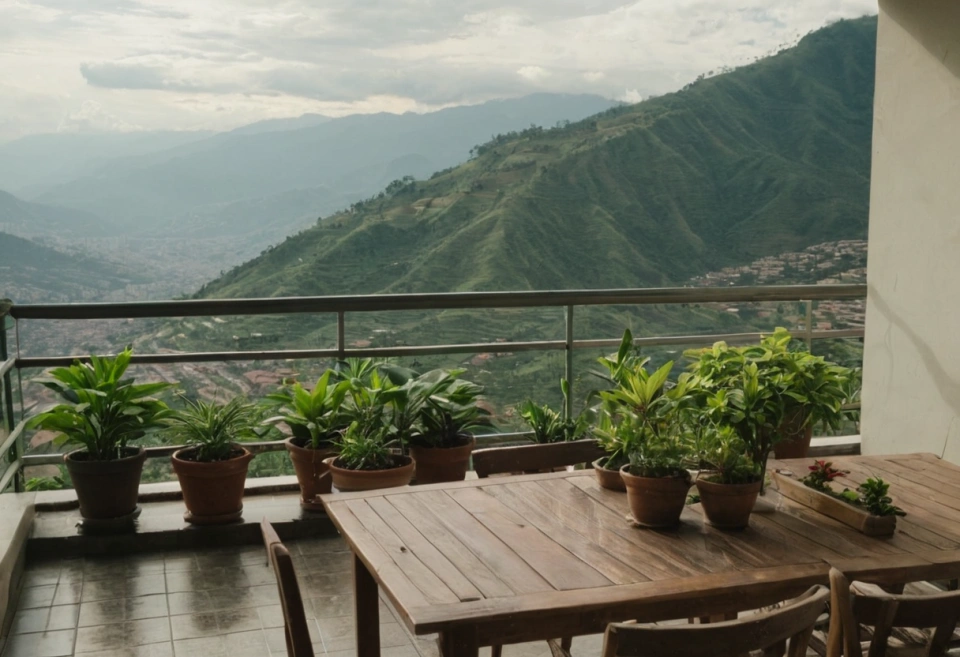
Choosing a top-floor apartment or penthouse in one of Medellín's hillside neighborhoods, whether renting long-term or buying outright, means weighing height and view against real trade-offs. This article covers the physical checks, the paperwork questions and the practical decisions about furnishing an exposed terrace so you can judge whether the premium is worth it.
Roof and terrace waterproofing
The roof slab is the most expensive shared element above a top-floor unit. In Medellín's climate, heavy afternoon rain alternates with strong sun, and that cycle stresses waterproof membranes. Ask the building administrator (the administración) for the date of the last membrane replacement or repair, and request the maintenance log. If no log exists, treat that as a warning.
Walk the terrace yourself. Look for ponding marks, cracked sealant around drain outlets, blistered or peeling membrane, and staining on interior ceilings directly below the slab. In older buildings, reinforced concrete roofs may have been overlaid with tile or stone without a proper waterproof layer underneath; water finds its way through grout lines and sits on the slab. Our guide to how the city's apartment buildings are usually built explains the structural basics so you know what questions to put to an inspector.
If you are renting, clarify in writing who pays for roof repairs. In most Colombian residential buildings the roof is a common element funded by the monthly administration fee, but a private terrace attached to your unit may be classified differently. Get the answer from the co-ownership regulations, not from the landlord's verbal assurance.
Afternoon sun, heat and rain exposure
Medellín sits close to the equator at roughly 1,500 meters elevation. The air temperature rarely exceeds the low thirties Celsius, but direct solar gain through west-facing glass on a top floor can push indoor temperatures well above comfort without shading or cross ventilation. Visit the unit between two and four in the afternoon, ideally on a clear day, and stand in the rooms that face the valley. Note which windows have exterior blinds, tinted film or overhangs, and which are bare.
Rain arrives fast and hard, often in the same afternoon. A terrace without adequate slope toward its drains will flood in minutes. Check that the drain outlets are clear and that the threshold between terrace and interior has a raised lip or channel to stop water running inside. For advice on keeping interiors comfortable without mechanical cooling, see our piece on furnishing an apartment for a mild, humid mountain climate.
Lift, water pressure and power cuts
Top-floor residents depend entirely on the elevator and on water pressure. Ask these questions before signing:
- Does the building have a backup generator, and does it power the elevator and the water pump?
- How large is the rooftop or basement water tank, and how often does the supply cut out in this sector?
- When was the elevator last serviced, and is there a maintenance contract with a named company?
- Is there a secondary stairwell you could use if the elevator stops between floors?
In hillside sectors of El Poblado and Envigado, some buildings rely on pumped water from a lower cistern. If the pump loses power and there is no gravity-fed reserve above your floor, taps go dry until electricity returns. Confirm the arrangement with the administrator and, if possible, speak to a current top-floor resident about their experience during outages.
Terrace rules in the building regulations
Every residential building in Colombia operates under a reglamento de propiedad horizontal, the co-ownership rulebook registered with the municipality. It defines which areas are private, which are common, and what you may do on each. A terrace may be labeled a private-use common element: you have exclusive use, but you cannot enclose it, build a permanent roof over it or change its surface without a vote of the owners' assembly.
Read the relevant clauses before you plan any work. Restrictions commonly cover noise hours, barbecue installations, planters that add structural load, and visible changes to the façade. If you intend to renovate or add a pergola, our article on renovating an apartment inside a residential building outlines the permission process.
The view and future construction
A valley view is the main reason buyers pay a premium for height. That view is not guaranteed unless the land between your building and the valley is permanently protected or already built out at low density. Check the municipal land-use plan (plan de ordenamiento territorial) for the zoning of adjacent lots. A parcel currently holding a two-story house may be zoned for a tower taller than yours.
Ask the seller or agent whether any neighboring project has filed for a construction license. The local planning office (curaduría urbana) keeps public records of approved licenses. A quick search there costs nothing and can save you from buying a view that disappears within a few years.
Furnishing a terrace that faces the valley
An open terrace at this altitude gets ultraviolet intensity, sudden rain and occasional wind gusts funneling up the valley. Furniture needs to handle all three. Teak, powder-coated aluminum and synthetic rope weave survive well; untreated steel rusts, and lightweight plastics blow around or degrade in UV. Choose pieces you can stack or move under cover quickly when rain arrives.
For the living room inside, where the terrace view becomes the focal wall, some buyers want a few formal pieces that anchor the space. Makers such as italian furniture collections offer classic styles that suit a generous room with high ceilings, though local workshops and other importers cover a wide range of budgets and aesthetics. Whatever you choose indoors, keep the terrace itself simple: a dining table that seats your household, two lounge chairs, shade you can retract, and plants in weighted pots that tolerate both full sun and heavy rain. Our guide to making a balcony or terrace a real room covers plant selection and rain-cover options in more detail.
Practical next steps
Before you make an offer or sign a lease, complete this sequence:
- Request the co-ownership regulations and the last three years of administration meeting minutes. Read them for roof repairs, elevator contracts and terrace disputes.
- Visit the unit in the afternoon on a sunny day and again after rain if possible. Photograph any ceiling stains or terrace ponding.
- Hire an independent building inspector familiar with local construction to assess the slab, membrane and drainage. Do not rely solely on the seller's engineer.
- Search the curaduría records for approved construction licenses on adjacent and nearby lots.
- Confirm in writing who bears responsibility for waterproofing maintenance and elevator repairs: the administration fund, a special levy, or the individual owner.
If the answers raise doubts, negotiate a price reduction that reflects upcoming capital work, or walk away. Height and light are genuine assets, but only when the structure above and around them is sound.
This article offers general information only; confirm current rules with the relevant official authority or a licensed professional before acting. Editorial standards · Report a correction